Many homes throughout the Des Moines metro were built decades ago, and while they offer plenty of character, they may also contain outdated electrical systems. During a home inspection, electrical issues are among the most common concerns identified by inspectors. Addressing these problems early can improve your home’s safety, simplify future renovations, and help prevent costly repairs.
1. Outdated Electrical Panels
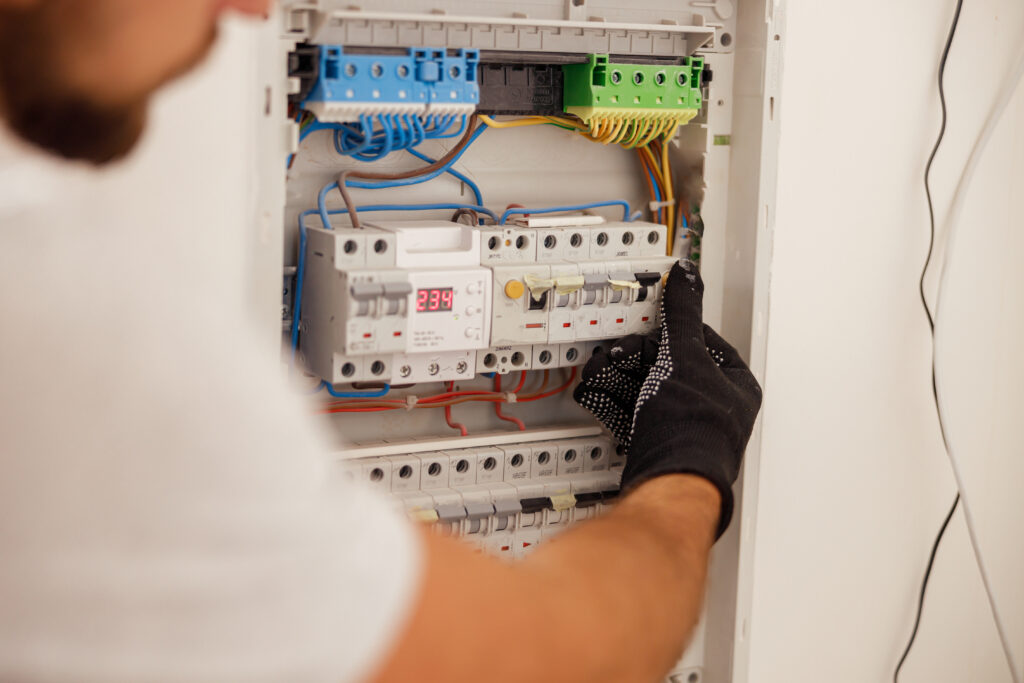
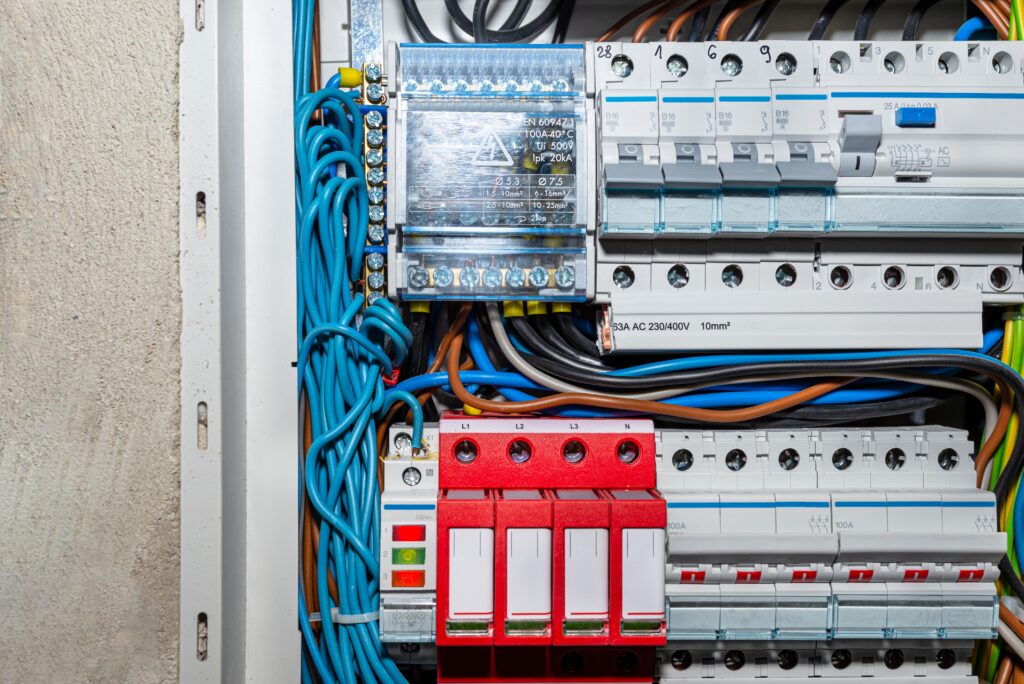
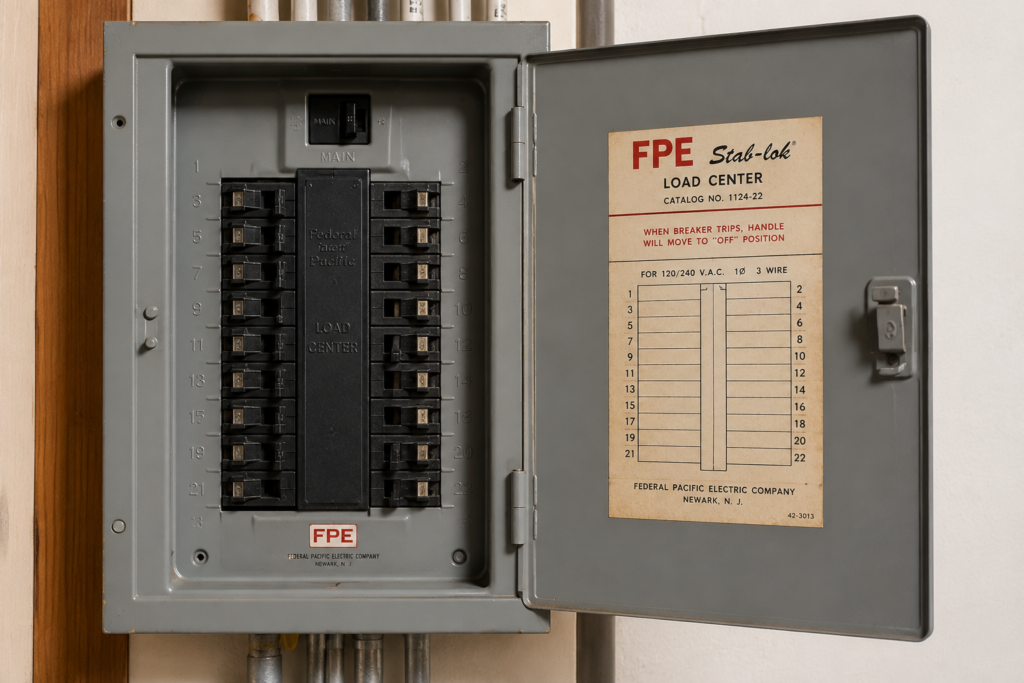
Older electrical panels may no longer provide enough capacity for today’s electrical needs. Panels from manufacturers such as Federal Pacific or Zinsco are also known for potential safety concerns and often require replacement.
2. Knob-and-Tube Wiring
Many historic homes still contain original knob-and-tube wiring. While it may still function, it typically lacks grounding and wasn’t designed for modern electrical demands.
3. Aluminum Branch Wiring
Homes built during the 1960s and 1970s may contain aluminum branch wiring, which can loosen over time and create overheating risks if not properly maintained or upgraded.
4. Ungrounded or Two-Prong Outlets
Older homes often have two-prong outlets that don’t provide grounding protection for today’s electronic devices. Upgrading to grounded outlets improves both safety and convenience.
5. Overloaded Circuits
Modern households use significantly more electricity than homes did several decades ago. Frequent breaker trips, extension cords, and overloaded outlets may indicate that your electrical system needs additional circuits or a panel upgrade.
When Should You Schedule an Electrical Inspection?
If your home is more than 40 years old, you’re planning renovations, purchasing an older property, or experiencing recurring electrical problems, a professional inspection can identify safety concerns before they become serious.